
Revisiting Viktor Frankl’s “Man’s Search for Meaning”
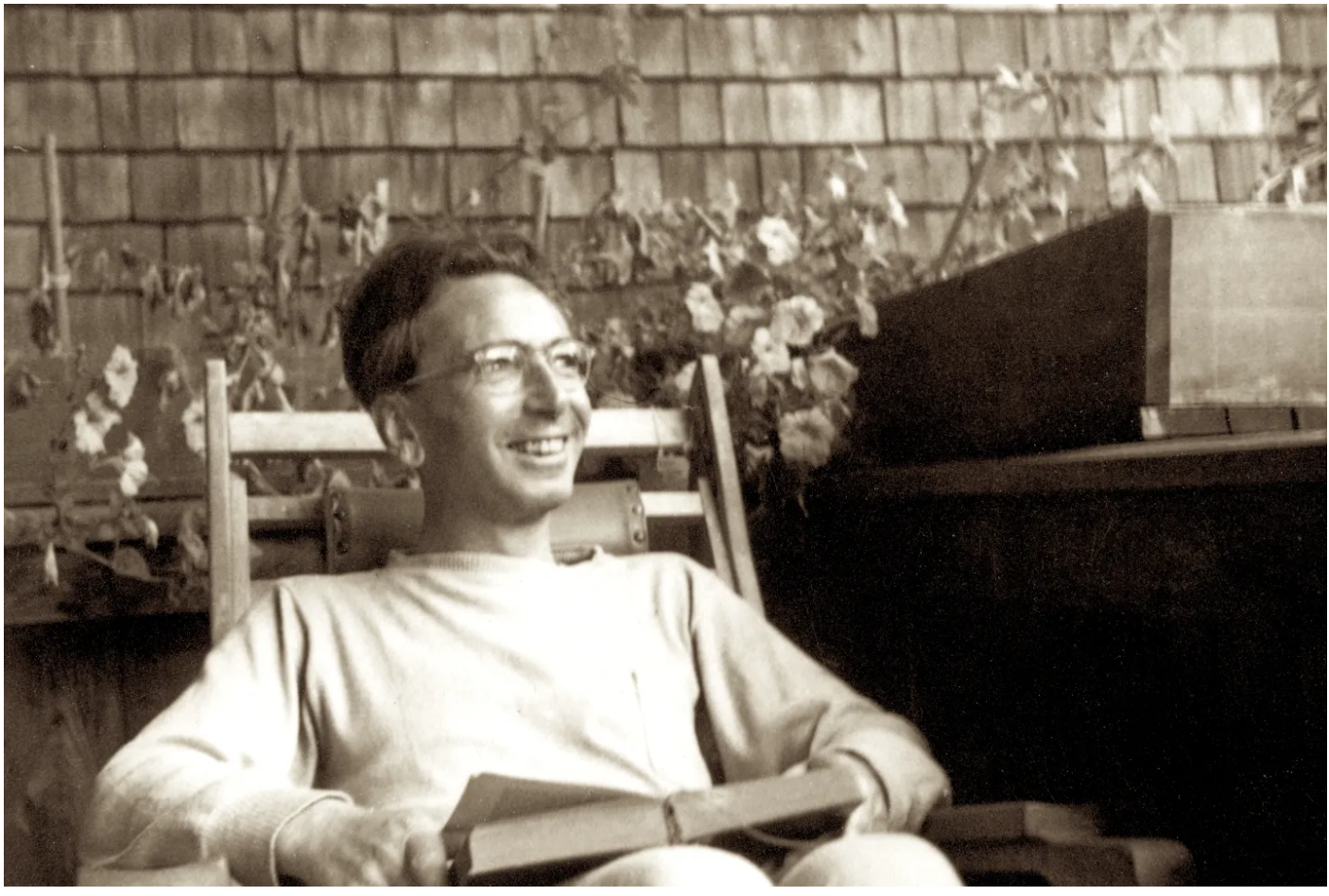
A common side dish to the major complaints folks want to work on in therapy is the feeling that there is a lack of meaning or purpose in their life.
“When I was young I just didn’t think about it. I was happy, or ignorant, or I don’t know what, but now…what’s the point of it all, ya know?”
If you have a true connection to a religion, or authentic spiritual beliefs, this question doesn’t come up that often. Meaning is baked into the experience of being a believing human. But for someone who was born into a religion, and then bounced off into a life of secularism or atheism or agnosticism, after the initial relief of escape tends to come a void of meaning and purpose.
Without a God, or an afterlife, what are we here for?
This is where existentialism comes in. I am by no means and expert, and this is not meant to be an exhaustive report, but existentialism deals with the study or working through of what it means to exist. I was first introduced to it in my college theatre program when we learned about French existentialism and how it showed up in theatre by Camus and Sartre.
French existentialism is not a touchy feely philosophy. It generally says “we are born alone and die alone into a cold and unfeeling universe that cares not what we do or don’t do. There is not actually any meaning to life, and we must face that cold fact and accept it. Once we do, sure, we can make up our own meaning along the way, but we have to keep always in the back of our mind that this is ultimately meaningless.” At the time, when I was 20 and hadn’t experienced much “capital T Trauma,” this was oddly liberating. “There is no God, there is no meaning, it’s only the meaning we create.”
Cancer: “Capital T Trauma”
When I was 21 I was diagnosed with leukemia and brought face to face with my mortality. Whether one believes in an afterlife or not, there is an innate instinct to survive when our life is taken from our hands and held squirming over the abyss. Those first few months of chemotherapy were meaningful in and of themselves. I didn’t need to have an explanation to make it meaningful. My body was in terror and made meaning very clear—my purpose was to survive, and so strive to survive I did.
The real struggle with meaning came after about nine months of weekly chemotherapy. After the initial thrill was over, and I was very likely going to survive, the creeping philosophy of existentialism swept back over me. “If there is no meaning, and no purpose, and I have been going through this torture to live…why? The universe is unthinking and uncaring, and I got leukemia basically because of really bad luck. What am I supposed to do with that?” Not only was I having a crisis of meaning, but the trauma of cancer had also disconnected me from my body, my friends, my spirituality, my goals, my ambition, my sexuality, and many other things. In the absence of a connected life, the absence of meaning grew deafening.
Man’s Search for Meaning
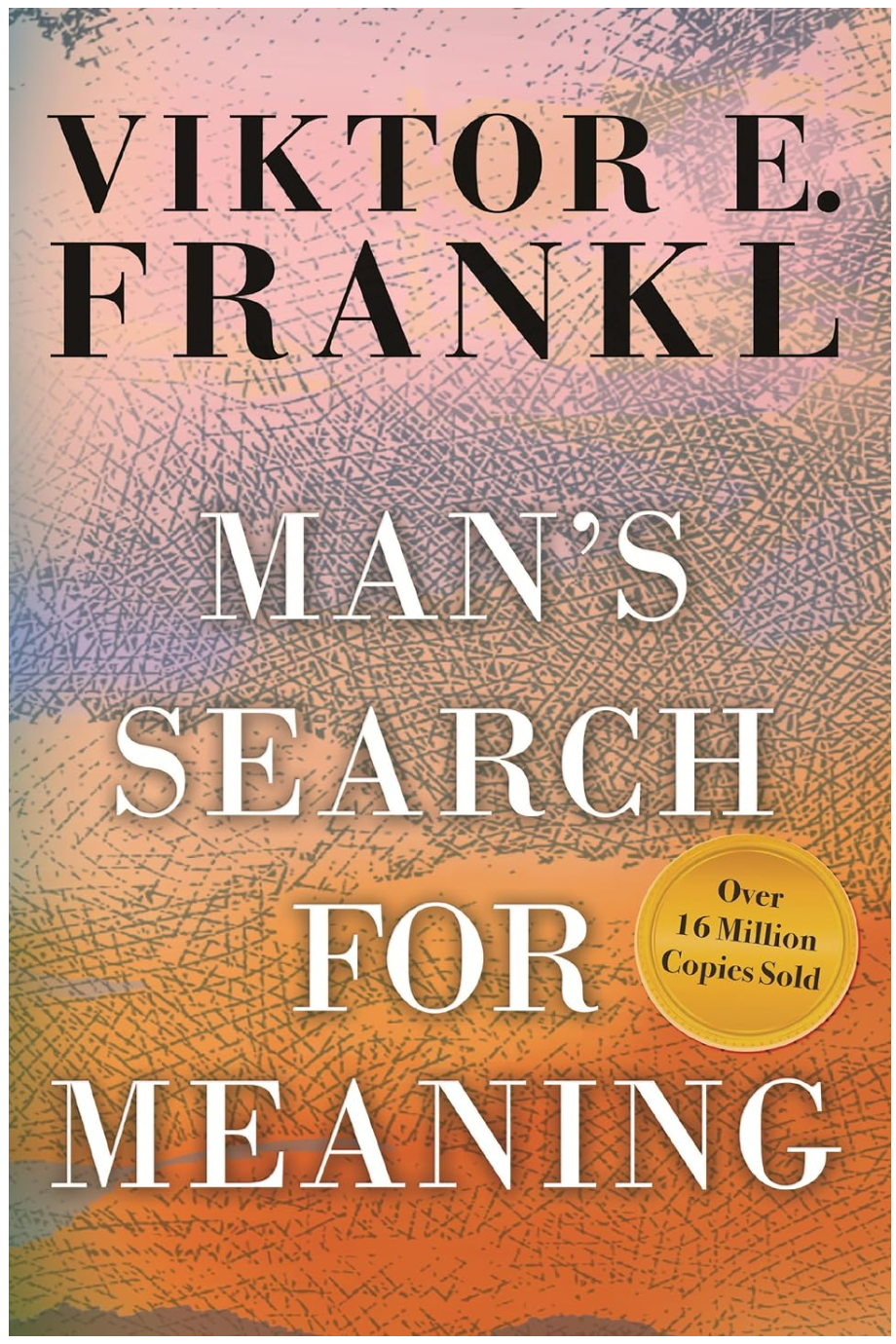
This is where my main squeeze Viktor Frankl comes in. First published in 1946, and republished dozens of times since then, “Man’s Search for Meaning” is partly Frankl’s autobiographical story about surviving the Holocaust and Nazi concentration camps during World War II, and also the creation of his theory of therapy, “logotherapy,” or healing through meaning.
Instead of assuming there is no meaning, Frankl assumes there is no way to escape it. Frankl sees meaning as necessary to living. Much like we need food to feed our physical bodies, we need meaning to feed our souls. Whether we like it or not, humans are story telling and story believing creatures. Our brains don’t care whether the stories make us happy, they just want an explanation for things. Even if the story you tell to explain our existence is meaninglessness, that is still a story. And that story can have serious drawbacks for your mental health.
So if we have to tell ourselves a story to explain why we are here, then we might as well put some effort into creating meaning for ourselves that uplifts, actualizes, and improves the quality of our lives.
A quick note about suffering
Some reading this may think “well I wasn’t in a Holocaust or had cancer, so my suffering isn’t real comparatively.” Frankl also had a response to this. He used the analogy of gas filling a container. To put my own spin on it, if you fart, that gas will fill up the room—or elevator—you are in completely and evenly. It’s the same with suffering. Suffering fills each of us up like gas in a room. Whether it be holocaust or heartbreak, whatever your suffering is will fill you up and deserves time, attention, and care.
1. The Will to Meaning
Frankl’s central premise is that the primary human drive is not pleasure (Freud) or power (Adler) but meaning.
People can endure almost any “how” if they have a “why.”
When someone feels empty, apathetic, or hopeless, it’s may not be depression per se but what Frankl called the existential vacuum — the loss of a sense of purpose or direction.
2. Meaning Can Always Be Found
Frankl insisted that life has unconditional meaning, even amid suffering, loss, or limitation. Meaning is not invented—it’s discovered in response to life’s questions.
“We need to stop asking about the meaning of life. It doesn’t matter what you expect of life. But what life expects of you.”
Questions to explore this:
“What is life asking of me right now?” These can be small or large opportunities. Meaning can be found in tiny moments, or days, months, or decades of our lives.
3. Meaning Must Be Felt, not just Thought
“What is demanded of man is not, as some existential philosophers teach, to endure the meaningless of life, but rather to bear his incapacity to grasp its unconditional meaningfulness in rational terms.” — Viktor Frankl
Part of the nature of meaning is that it cannot be fully captured through argument or logic. It’s not something that can be proven in debate or listed like facts—it must be felt.
We might understand this through the lens of left- and right-brain processing. The left brain analyzes, divides, measures, and reduces things to their function or utility. It’s excellent at dissecting life but not at inhabiting it. When we rely solely on this mode, it can even persuade us that life is meaningless—or that ending it would be logical.
The right brain, in contrast, perceives wholeness, connection, and lived experience. It is through this side that we feel meaning—through love, awe, creativity, or belonging.
So if we try to resolve the question of whether life has meaning purely through intellectual reasoning, meaninglessness will usually win. That’s because meaning doesn’t live in argument—it lives in experience. To sense life’s purpose, we must engage the parts of ourselves that feel, imagine, and relate, not just the parts that analyze and explain.
4. The Three Pathways to Meaning
Frankl described three main avenues through which meaning can be found — these can serve as a helpful structure for exploring meaning in your own life:
Creative Values
What we give to the world — through work, projects, contributions, relationships.
“Where do you feel most alive or useful?”
“What’s something small you could create or contribute today?”
Experiential Values
What we receive from life — beauty, love, nature, art, connection.
“When have you felt awe, love, or peace recently?”
“Who or what reminds you that life can be meaningful?”
Attitudinal Values
The stance we take toward unavoidable suffering.
“Is there any way you can face this hardship that aligns with your values or dignity?”
“What kind of person do you want to be in this situation?”
Even when the first two are unavailable (e.g., in prison, illness, loss), the attitudinal path remains — the freedom to choose one’s attitude.
Moving forward
Although I have a clear sense of meaning in my body and mind that works for me, it almost certainly wouldn’t work for everyone. It is up to each person—in their own way and time—to construct a story to explain their purpose. This may change from year to year, month to month, and during times of crisis, hour to hour. The story we tell ourselves matters, just like the food we eat, the exercises we do, and the company we keep. Whether you think on some level that this is all meaningless, you are experiencing it from a human body that thrives on story and purpose. So put your back into it. A rich, deep, connected experience awaits you.
